

You're standing at your usual East Coast beach break, thruster under your arm, watching small open faces peel and fade before you can get any speed out of them. A mate zips past on a short, wide fish, hardly pumping at all, and you wonder what you're missing. That's the right question for twin fin surfing, because the difference shows up first in ordinary, weak surf, not just in perfect waves.
Twin Fin Surfing at a Glance
Twin fin surfing means riding a board with two fins set near the rails and no centre fin, usually a fish or a mid-length twin. If you've only ridden a thruster, the board will feel faster and looser from your first paddle in.
The contrast is easiest to read side by side.
Twin fin, thruster and quad compared
| Feature | Twin fin | Thruster | Quad |
|---|---|---|---|
| Fin count | 2 | 3 | 4 |
| Drag | Lowest of the three | Moderate | Moderate, with extra fin area |
| Speed in small or weak waves | High | Moderate | High |
| Hold on steep faces | Lower, relies on rail engagement | Strong and centred | Strong, with extra drive |
| Turning feel | Loose and rail-driven | Controlled and snappy | Fast with firm hold |
| Best conditions | Small to medium, open faces | All-round, most surf | Powerful, hollow beach breaks |
| Typical board | Fish or mid-length twin | Shortboard all-rounder | Performance shortboard |
Three points matter most. Twins are the fastest and loosest of the three. They trade hold for speed. They suit small to medium open waves better than steep, hollow ones.
That feel comes from fin count and placement, not board length alone. New Zealand's shift to shorter, more responsive boards, including the 1958 introduction at Piha to riding across the wave face, set the direction that later made twins practical.
Rule of thumb: If your local waves are small and open, try a twin. If they're steep and powerful, keep the thruster until your turns are dialled in.
How Two Fins Change the Way a Board Feels
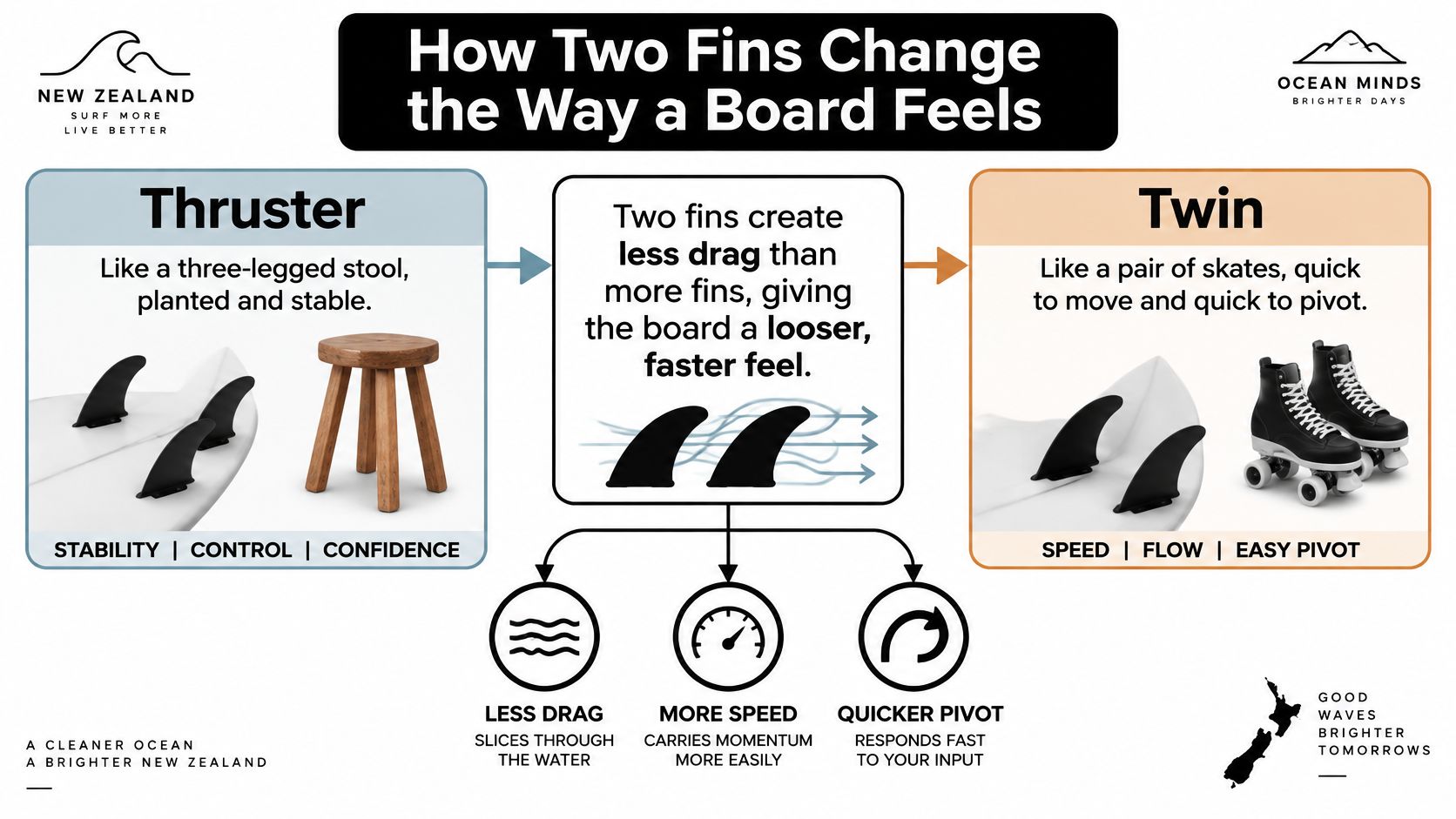
A thruster works like a three-legged stool: planted, stable, and hard to tip. A twin rides more like a pair of skates, quick to move and quick to pivot, and you feel that skittishness straight away if you stand stiffly.
Less Fin in the Water Means Less Drag
Two fins put less wetted area in the water than three. With nothing dragging down the centreline, the board keeps planing through flat sections where a thruster starts to feel sticky.
The gain is preservation, not creation. Paddle in early, take a high line, and you won't need to pump as hard to stay ahead of a soft shoulder. On the East Coast, where plenty of swells arrive as slow-building, open shoulders rather than steep walls, that held speed is often the difference between making a section and watching it run away without you.
Your Rail Does the Steering
The trade-off is less centreline resistance. No rear fin anchors the tail, so the board yaws freely until you engage a rail. Press through your toes or heels, set the rail, and the fin on that side loads up and drives the turn.
Stay flat footed and try to pivot off your back foot, and the tail will drift and wander. That's the design asking you to turn with your rails rather than against a centre fin.
Why the Tail Releases So Easily
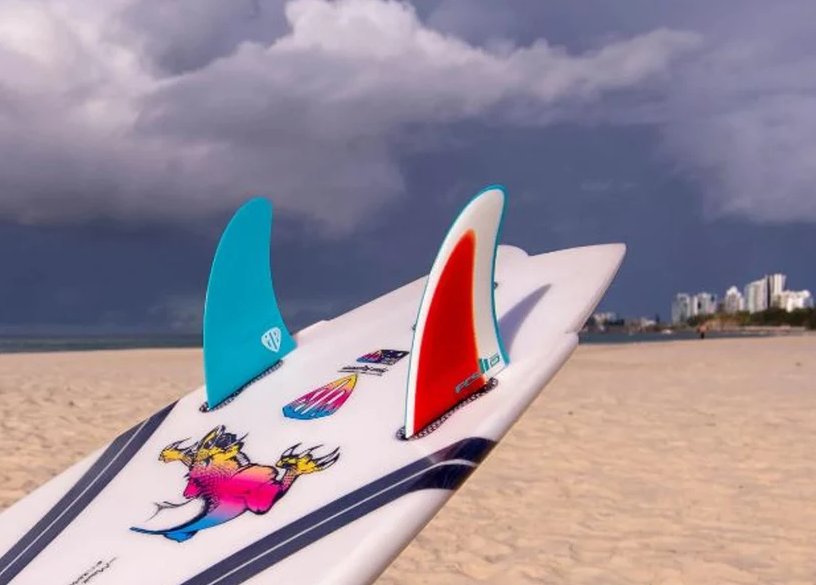
Many twins run a swallow tail with two distinct points. Each point can hold, then let go, more readily than a wide squash tail pinned by a centre fin. Push hard at the top of the wave and you'll feel the tail slide, sometimes when you wanted it to, sometimes when you didn't.
A twin rewards a smooth, arcing turn and punishes a sudden jam of the back foot.
The Firewire Go Fish is a dedicated twin that shows how these traits stack together in one board. The listed Go Fish specification of 5'7" x 20 1/2" x 2 5/16" and 31.1 litres packs real width and volume into a short, easily planed package, which is why it gets moving early and accelerates quickly while the tail still releases on demand.
Expect three sensations on your first sessions. The board accelerates out of turns rather than stalling. It slides when pushed through your back foot. It can feel unstable if you ride tall and rigid instead of staying low with soft knees.
Try a simple test next surf. On a clean shoulder, do one unhurried bottom turn and notice whether the board drives forward or slips sideways. Then run through a flatter section without pumping and see whether speed holds. Those two moments tell you more about a twin than any label on the deck.
Anatomy of a Twin Fin Board
Read a twin from the fins forward, not from the length printed on the stringer. Five features decide whether it feels loose and lively or drivey and controlled.
Fin Position Near the Rails
Twin fins sit close to the rails, usually further forward than you'd expect coming off a thruster cluster. They're angled to bite when the board is on rail. Set forward, a fin loosens the board and shortens the turning arc. Set back, it adds drive and makes the board track longer before it pivots.
That placement is what makes a short twin feel alive on a weak waist high day. Push the fins back when you want the board to hold a line through faster, longer walls.
Keel Fins and Upright Fins
Keel fins are larger and longer based, and they hold their line through a turn. They add drive, hold, and down the line speed, which is why a Go Fish on a good keel set copes with bigger waves than its short length suggests. Smaller templates pivot quicker but can feel skatey when the face steepens, so match the template to how much release you want.
If you're checking templates and box compatibility, the surfboard fins guide lays out how the systems differ.
Tail Shape and Rocker
A swallow tail releases early and gives you that slides on demand feel. A narrower or squashed tail holds a higher line for longer and stays calmer in punchier surf. Match the tail to the waves you ride most. A wide swallow wastes nothing on a soft shoulder, but the same tail gets twitchy once faces steepen and start to run.
Rocker follows the same logic. Low entry rocker gets the board planing early in weak surf, while a subtle lift through the tail adds control and lets you fit the board into a tighter curve. Very flat tails are fast until the wave hollows out, then they can feel like they're running out from under you.
Width and Volume Matter More Than Length
A short twin carries its float in width and thickness, so it paddles and planes like a longer board. The Go Fish size range runs from 5'3" to 6'3", with volumes from 27.4L to 42.9L and the 5'5" sitting at 29.3L. That review describes the board working best in smaller surf around chest high, with enough range to handle bigger waves for the right rider.
Mid-lengths spread the same float over more rail. The JS Industries Big Baron is a performance mid-length twin suited to open faced waves, sitting between a shortboard and a longboard. You get trim speed without giving up the twin fin looseness.
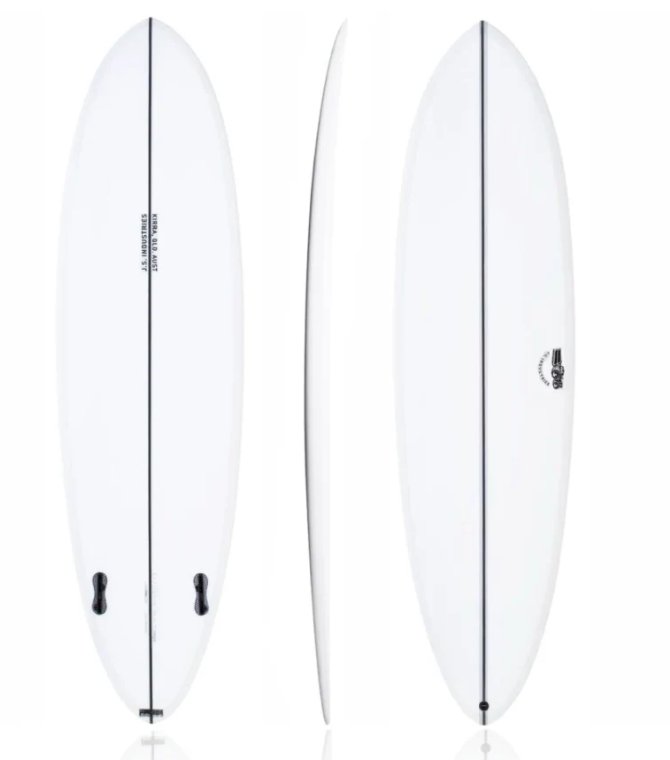
To read any spec sheet, work in this order.
- Volume and width first: Match float to your body weight and the weak waves you ride most.
- Tail shape second: Choose release for small surf, hold for steeper faces.
- Fin setup third: Pick keels for drive, smaller templates for pivot.
Matching Twin Fins to New Zealand Conditions
East Coast swells explain why twins get so much use around Gisborne. The pattern here is steady: mostly easterly to southerly swell, plenty of smaller to medium days, and long stretches where a wave's push matters more than its power. Most sessions fall squarely in fish territory.
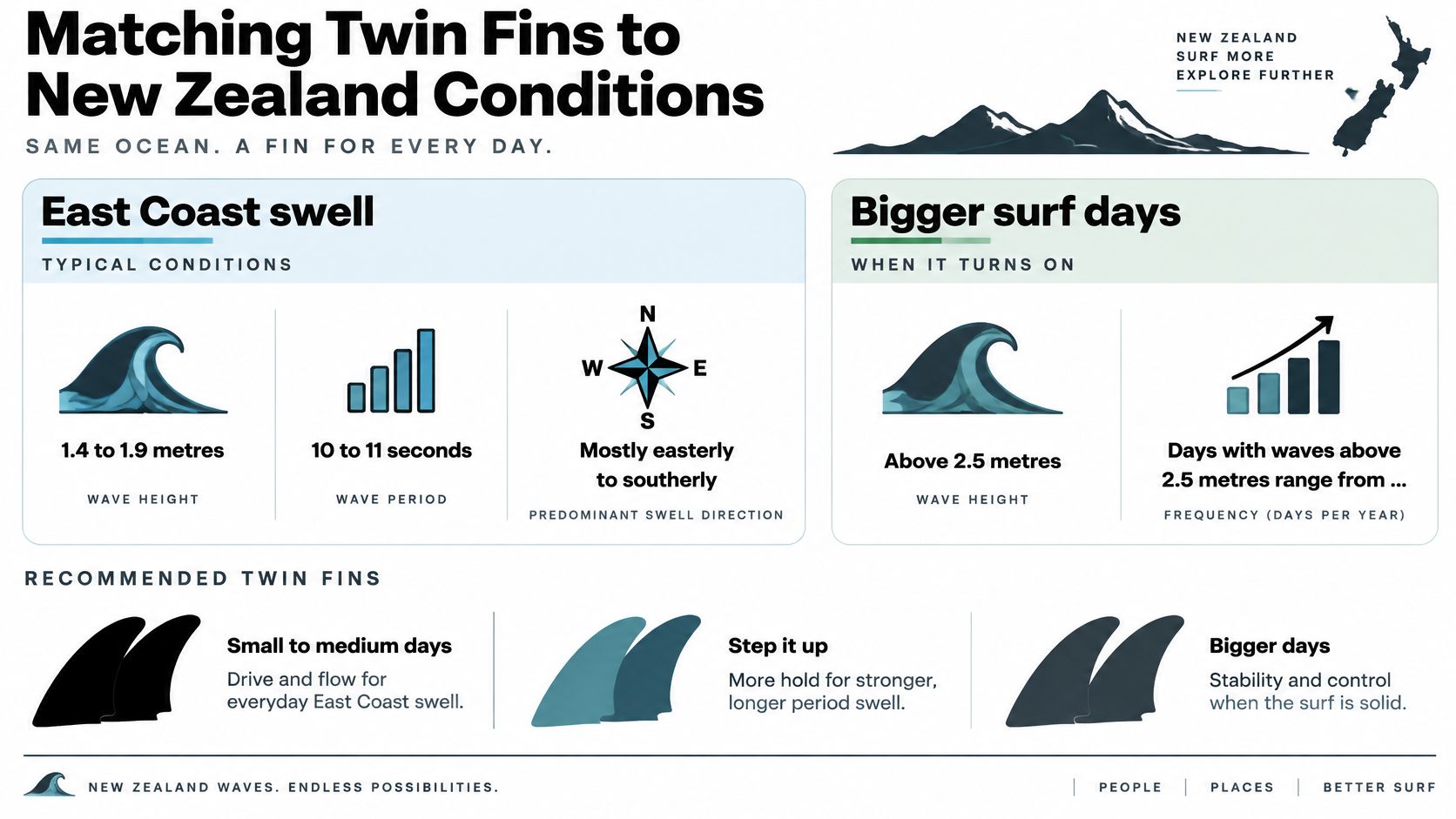
Direction is the reliable part. For Poverty Bay, more than 80% of swell dominated events approach from approximately 150 to 160 degrees true, and waves climb above 2m only roughly 5 to 10% of the time. So the normal diet is clean, smaller to medium faces angling into the beach. That's exactly the water where a twin's easy planing pays for itself, because the board generates speed on its own rather than needing a heavy lip to push off.
Twin fin fit by New Zealand wave condition
| Condition | Twin fin fit | Adjust by |
|---|---|---|
| Small, clean, under chest high | Excellent, fastest option | Low rocker and wide tail |
| Chest to head high, open faces | Good, strong when keel fins are fitted | Add keel fins for drive |
| Steep or hollow sections | Weaker, loses hold on the face | Narrower tail, more rocker or upright fins |
| Swell above 2 metres | Poor unless the rider is experienced | Switch to a thruster or quad |
| Strong current or shifting banks | Harder to control line | Choose a quieter break or a thruster |
The cause and effect is simple. A twin generates speed efficiently but depends on your rail to control direction. On an open face you can lay the board over early and let it run. On a steep, shifting bank with current pulling you sideways, that same looseness makes holding a precise line hard work.
Reading a day takes thirty seconds. Check size, direction, and how open the faces look, then match the forecast to the closest row in the chart. If the swell sits under 2m at a comfortable angle and the banks are holding shape, take the twin. If it's pushing overhead into hollow banks, take the board with a centre fin. Our rundown of the best surf spots in New Zealand helps if you're weighing up a beach break against a point.
Riding Styles That Suit a Twin Fin
A twin rewards surfers who let the board run and punishes anyone who fights it. Four approaches match what the design does naturally, and each one lines up with a different kind of East Coast day.
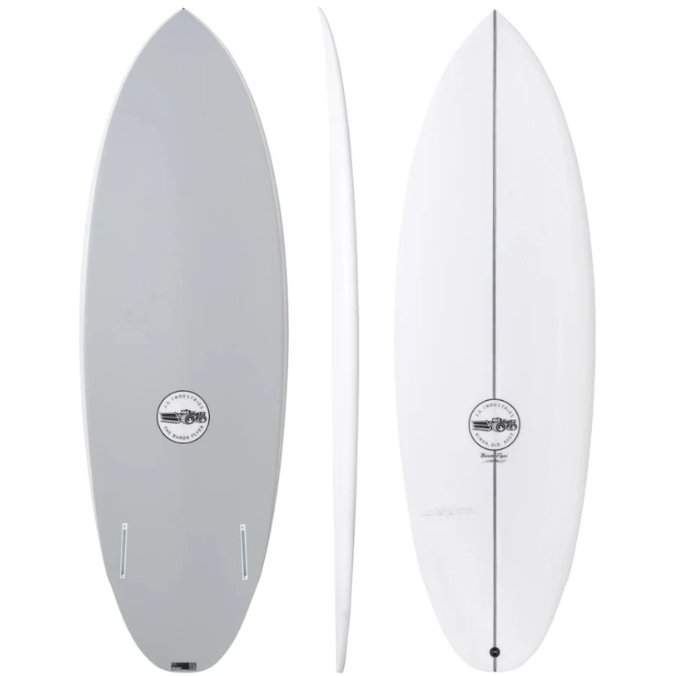
Rail to Rail Flow
This is the default twin style: short connected turns across the face with no dead spots between them. You shift weight from one rail to the other, keep the board moving, and let speed build through the arcs. It suits most thruster converts once they stop trying to force pivots in the pocket. On the long, tapered walls an east swell throws up at beach breaks like Wainui, there is room to link three or four arcs before the section closes.
Speed Through Sections
At soft beach breaks, waves often fatten, crumble, then reform. A twin lets you carry momentum across those weak patches and arrive at the next section still planing. You need a low rockered, wider outline for this, and the discipline to take a higher line early rather than dropping to the flats and hoping.
Glide and Trim
On small, clean, open waves, the most enjoyable twin surfing is often the simplest. Set your line, trim down it, and make small adjustments with your ankles instead of big turns. This suits surfers who value wave count and ride length over tight pocket surfing, and it needs enough volume that the board runs without constant pumping.
Mid Length Open Face Surfing
A performance mid-length twin stretches the same idea over a longer rail line. You draw bigger arcs, hold speed through carves, and use the extra length to glide between sections. Mid-length twins suit open faces because that longer rail lets you lay the board over and hold a drawn-out turn that a short twin would have to break into two.
A board can cross between styles with a fin change. The Go Fish trims and zips in small surf, then, with keel fins fitted, drives harder and copes with more size while still feeling quick. One board covering two rows of the condition chart is worth more than two boards covering one.
Give any new twin one full session ridden in a single style before you judge it. Chase flow for an hour, note where it holds and where it drifts, and you'll know whether the mismatch is the board or your thruster habits.
Mistakes When Switching From a Thruster
The mistake I see most is driving too hard on bottom turns. Thruster riders brace, push through the back foot, and expect the centre fin to hold them. On a twin that effort just spins the tail out or stalls the board. You need more flow, so let the board do more of the work, keep your weight over the rail, and bend your knees rather than fighting it.
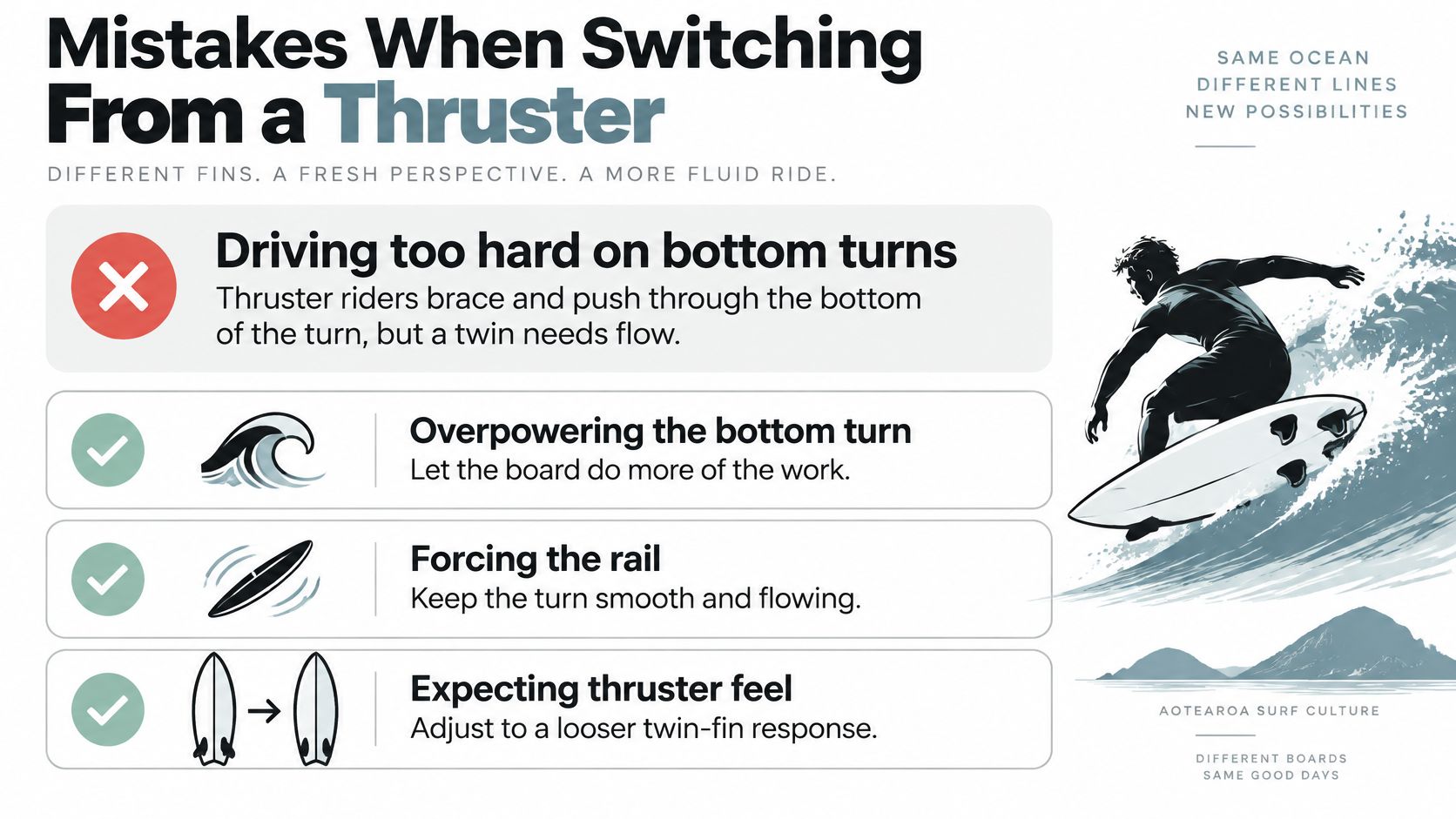
Second is chasing hold on steep faces. When the face pitches, a twin wants to slide to the lower line, and riders over correct by wrenching the board back up. Take off at an angle, set the rail early, and accept a longer, lower arc. If you want a reminder of how your usual setup creates its hold, our guide to understanding your FCS 2 thruster fins is a useful contrast.
Third is riding too much board for the conditions. Extra volume feels friendly while paddling, then becomes hard to sink and redirect once the surf has power, and fatigue makes your timing worse. Fourth is ignoring rail engagement altogether, riding flat and wondering why the fins never bite.
Speed needs a safety check too. A twin can feel easy because it moves quickly, while its reduced hold demands better wave reading and positioning. New Zealand coastal safety reporting that 29% of people surveyed had experienced some form of difficulty in or on the water during coastal activities is a reminder that board speed doesn't remove rips, shifting swell, or crowded peaks from the equation.
Keep your corrections simple.
- Flow over force: Draw the turn, don't jam it.
- Pick waves within your ability: Especially while speed control is new.
- Practise in small surf first: Learn the slide before the surf has power.
Choosing and Testing Your First Twin Fin
Start with three questions before you look at prices. Which waves do you surf most often, and at what size and shape? What does your current thruster do well that you want to keep? What should a twin add: speed in weak surf, flow on open faces, or a fun second board? A twin earns its place when it fills a gap your thruster leaves, so name that gap before you compare shapes.
What Twins Cost in New Zealand
Listed twin fin prices in New Zealand
| Product | Type | Listed price (NZD) |
|---|---|---|
| Album Twinsman twin-fin surfboard | Surfboard | NZ$2,099 |
| Morris Surfboards Twin Fin | Locally made surfboard | NZ$1,150 |
| Haydenshapes Hypto Twin | Surfboard | NZ$949.99 |
| FCS II Power Twin fin set | Fin set | NZ$199.95 |
The spread reflects construction, shape detail, and whether a board is locally made or imported. Price alone will not tell you if the tail will hold on your home break, so shortlist against conditions first, then check what your budget allows.
Three Ways Into Your First Twin
A fin set is the cheapest experiment if you already own a suitable shape. Confirm the fin system matches your board's boxes before you buy, because a twin template in the wrong system is money wasted. A board built as a thruster will also place those fins differently, so treat the result as a taste of looseness rather than a true read on a dedicated twin.
A tidy second hand board is a low risk first step if its volume and tail shape suit your regular waves. Check for soft spots around the fin boxes and delamination under the back foot, since twins get worked side to side. If the float is wrong, walk away, even when the price looks friendly.
A new board makes sense once you know the style you want. We stock new surfboards including longboards, high performance shortboards, fish, and SUPs, plus premium brands like Firewire, JS Industries, Slater Designs, and Surftech. For East Coast beach breaks, favour enough width through the tail to plane early and enough rail to bite when the face steepens.
Run the maths in order.
- Set your maximum spend: Include fins if the board doesn't come with a set.
- Shortlist two boards in range: Keep both tied to your usual wave size.
- Compare volume, tail, and fin options: Use the surfboard volume calculator to check float against your weight before you decide.
Test Before You Commit
Borrow, hire, or demo a twin if you can for one session in your usual conditions, on a day that looks like the surf you ride. We offer surf hire services, and our physical store in the Gisborne area is handy for advice on where to catch the best waves for that first session. Check the Wainui Beach live surf cam before you go, then pick a bank with a bit of wall so the board can show whether it runs or stalls.
Judge three things in that surf. Does the board hold speed through flat sections without frantic pumping? Can you control it on the steepest faces on offer that day? Does the bottom turn feel smooth once you stop driving it like a thruster?
If you're ready to feel the difference, we stock fish and mid-length twins from brands like Firewire and JS Industries, plus twin and keel fin sets to tune the board you choose, and our team can match volume and tail shape to your local break. Drop into our Gisborne store for advice or browse the range at Blitz Surf Shop before your next East Coast session.


