

You've checked the forecast twice, thrown a towel in the car, and still you're standing in the garage wondering what has to come. The bank might be on. The wind might turn. A mate might text from further up the coast. That gap between “maybe a surf” and a session that happens is almost always a packing problem, not a swell problem.
Good surf gear NZ riders rely on is boring in the best way. It matches the wave you will get, the cold you will feel, and the dings that happen in the car park long before you paddle out. From the shop in Gisborne we keep seeing the same pattern: people buy the exciting bit first, then get caught short on grip, warmth, or a bag.
Core Kit and the Boardbag Most People Skip
Pack three things before you spend on anything else: a surfboard, a wetsuit, and wax (or a traction pad that is still sticky). Those three decide whether a sudden session happens. A NIWA regional climatology for Gisborne describes generally congenial weather and many sunshine hours, with rainfall unevenly distributed and a prominent winter maximum. Sunshine on the road does not mean the water, or the hour after the surf, will feel the same.
The board is the platform. Without it there is no ride. Learners want a softboard or a high-volume funboard so paddle speed and stability do the early work. Everyday East Coast surf usually suits a midlength. A shortboard waits until you can make your own speed without borrowing it from extra foam.
The suit is thermal cover, not a winter-only extra. Water, onshore wind, and time in the sea can cut a sunny arvo short, or make it unsafe, even when the car was hot. Wax, or a sound traction pad, is foot grip for the pop-up. Lose the deck and you lose the wave.
What can wait
Use this as a tick list, not a shopping spree. Hardware earns its place when it does a job you will need this weekend.
| Item | Job it does | Skip it only when |
|---|---|---|
| Surfboard | Platform matched to volume and wave size | Never on a trip where you hope to surf |
| Wetsuit | Thermal cover for water, wind and session length | A very short warm splash, and still pack a rash vest |
| Wax or traction | Foot grip for the pop-up | The deck already has fresh grip |
| Leash | Keeps the board with you after a wipeout | Almost never in NZ surf |
| Fins | Drive and hold on the wave face | The board already has a set you like |
| Boardbag | Stops dings from car, rack and sand | A beater on a short walk-on session |
| Boots, hood or gloves | Keeps hands and feet working in wind chill | Short, calm, genuinely warm sessions |
| Light top and ding kit | Covers the car park and fixes small damage | Never on a road trip |
Set each bit of hardware to its job
Leash: match it to board length and to the size of wave you might cop. A leash that is too thin snaps when the board tombstones. Too long and the board swings back into you.
Fins: they have to fit the box, Futures or FCS, and they have to suit the wave. You are not hunting a new personality for the board. You want drive and hold on the face you already ride. If the outline is wrong, fins will not fix it.
Wax: cool-water wax in winter, warm-water wax in summer. Summer wax goes slick in cold water. Winter wax turns to grease and stains the deck once the sun hits the car.
A light top for the gap between the car and the tide line, plus a small ding kit, stays in the boot on every road trip. A pinhole on day one becomes a waterlogged board by Sunday if you cannot dry it and tape it.
The bag is part of the board
Most dings we see are not from rocks. They are from roof racks, car boots, other boards, and the carpark. People skip a boardbag for local surfing because the beach is “only down the road”. Land is where rails get bruised.
A day bag is enough for a local commute: one board, a bit of padding, something you will zip up. A padded travel bag is the one for two or three boards, roof racks, and a weekend of loading and unloading. Rail protection and a repair kit cost less than writing off a board that has taken on water. If you get repeat ear trouble, earplugs live in the same pouch so they are there when the onshore lumps up.
If the board cost real money, the bag is part of the board, not an optional extra you buy after the first crack.
A day bag versus a travel bag is spelled out in our surfboard bag guide. Put the three essentials in the car first. Then add the bag if that board is leaving the garage.
Boards That Suit New Zealand Swell
Start with the wave on the bank, not the board on the poster. Plenty of New Zealand beaches filter offshore swell. A huge forecast number can arrive as a soft, smaller wave once it has bent around headlands. Buying a narrow performance board for a chart that never reaches your beach is how beginners end up missing everything.
Poverty Bay is a clear case. A 10-year wave hindcast and nearshore model for the Gisborne District Council coastal processes reports found that more than 80% of swell-dominated events favourable for surfing arrive from approximately 150–160° true, inside a broader 140–170° window. Refraction and diffraction around the headlands produce that narrow range. You are mostly dealing with south-to-southeast energy, not every arrow on a Pacific chart. If the offshore swell sits outside that window, the size on the beach will not match the offshore number.
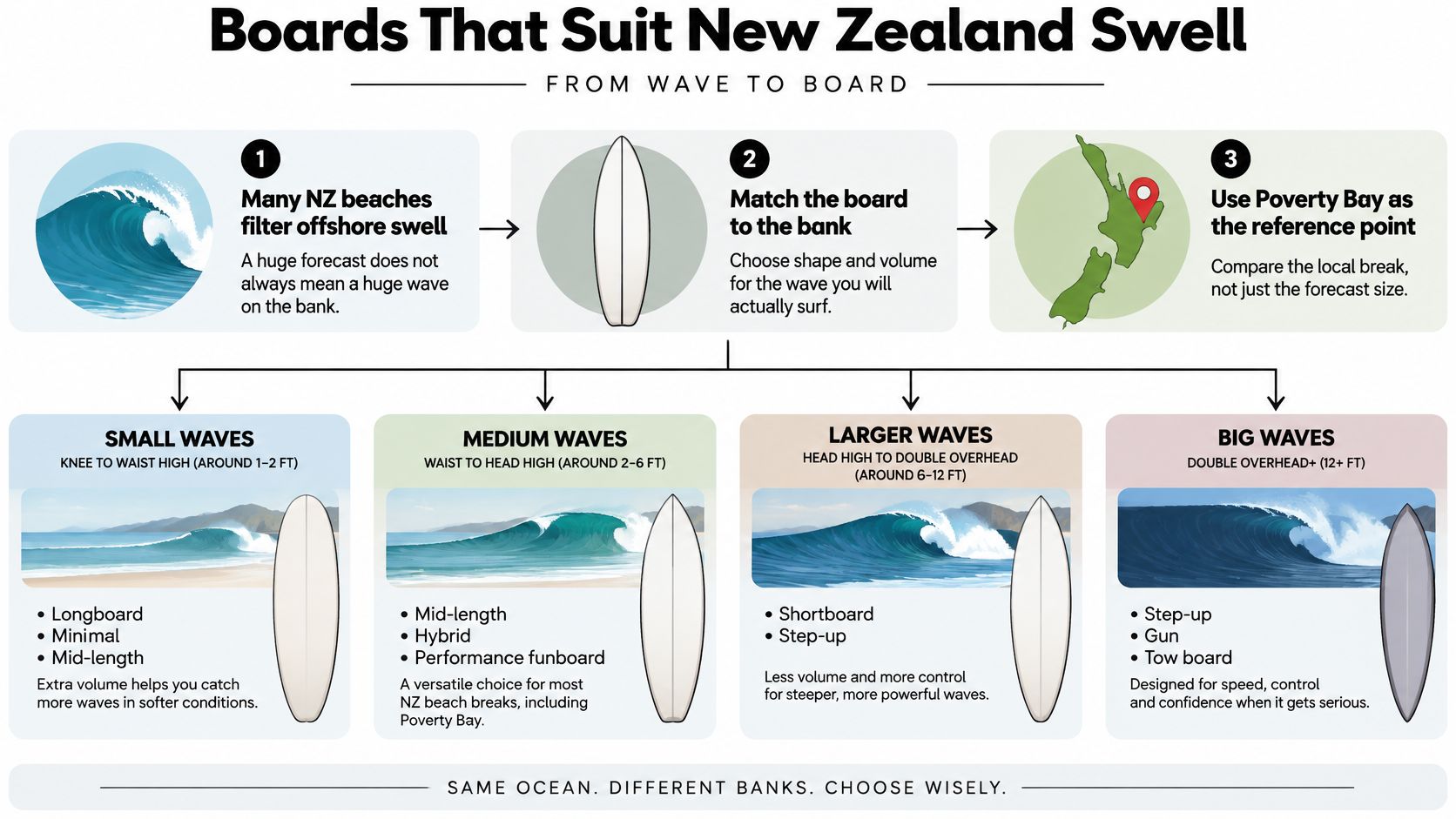
Four boards, one decision
Softboard. This is the first few months. Soft rails forgive mistakes, volume gets you into small, filtered swell, and you spend the session standing up instead of swimming.
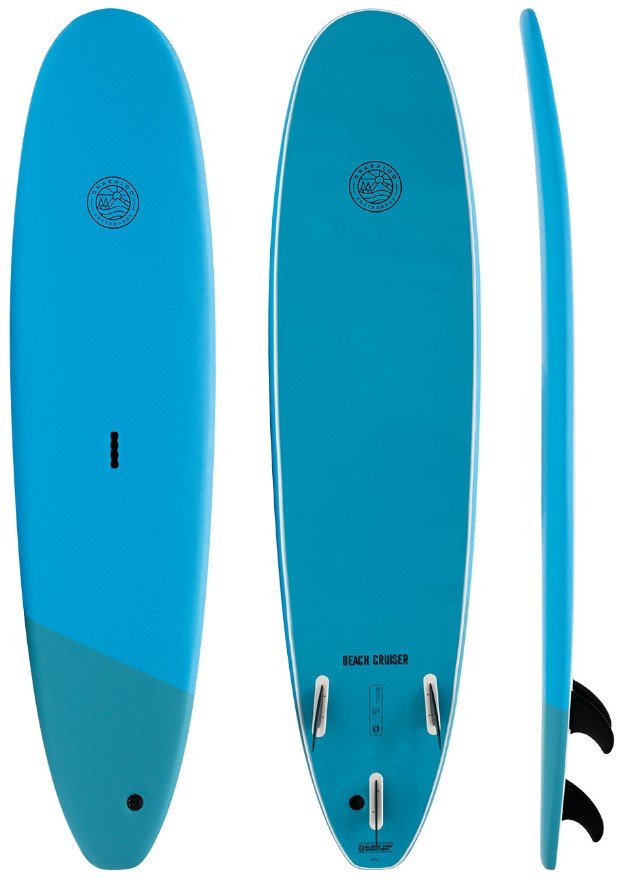
Funboard or mini-mal. A step on from the softboard when you want a hard deck and more paddle power, but the take-off is still the hard part. Think of it as training wheels you can still turn.
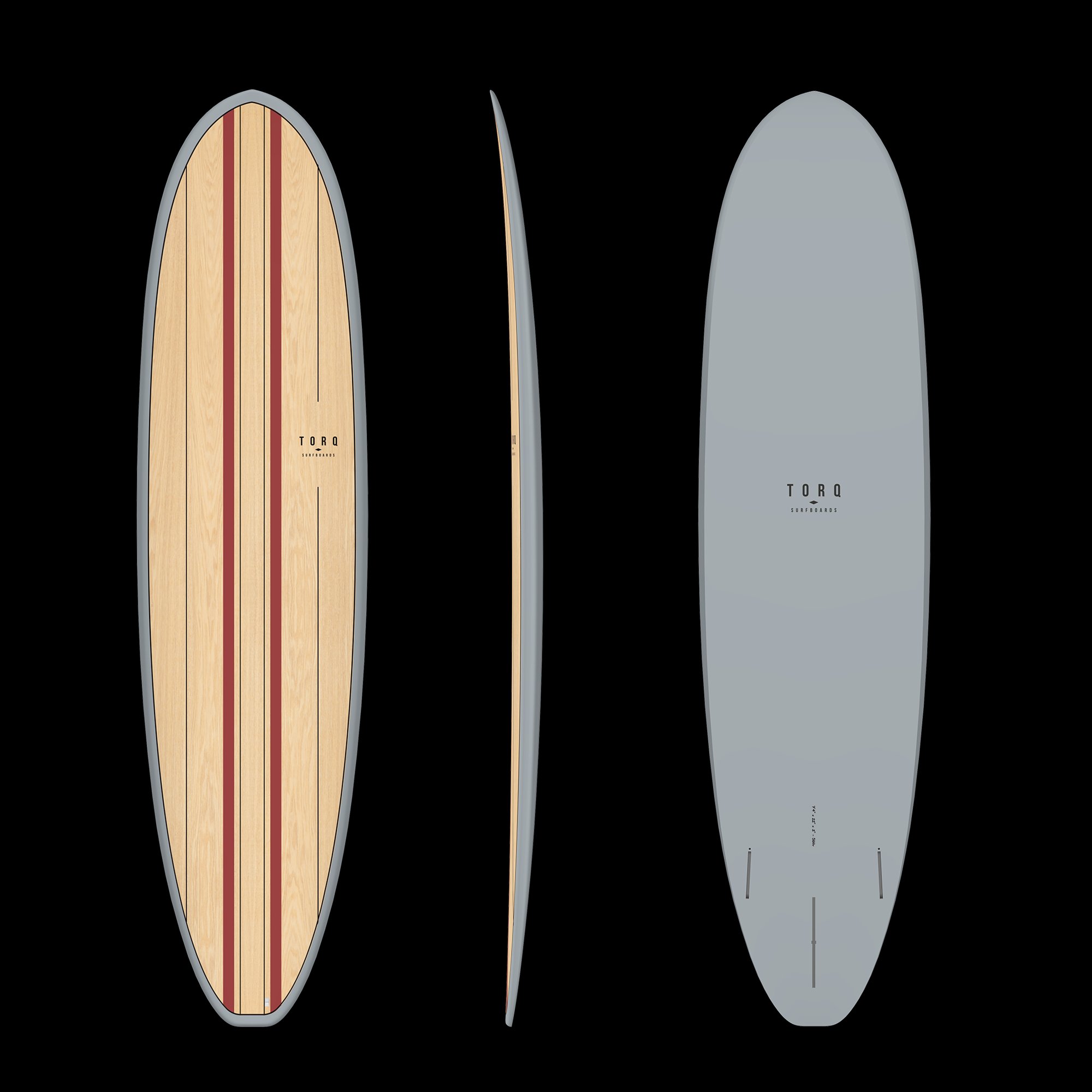
Midlength. This covers the mixed, often head-high East Coast days that make up a normal year. Enough foam to catch the ones that look smaller than the forecast, enough outline to trim and turn once you are up.
Shortboard. It waits. You need to make speed without extra volume, and you need to paddle into waves that are already doing some of the work. In recurring south-to-southeast energy, a shortboard chosen for that bank can work. A shortboard chosen because it looks fast in a photo will sit inside while you watch the set go past.
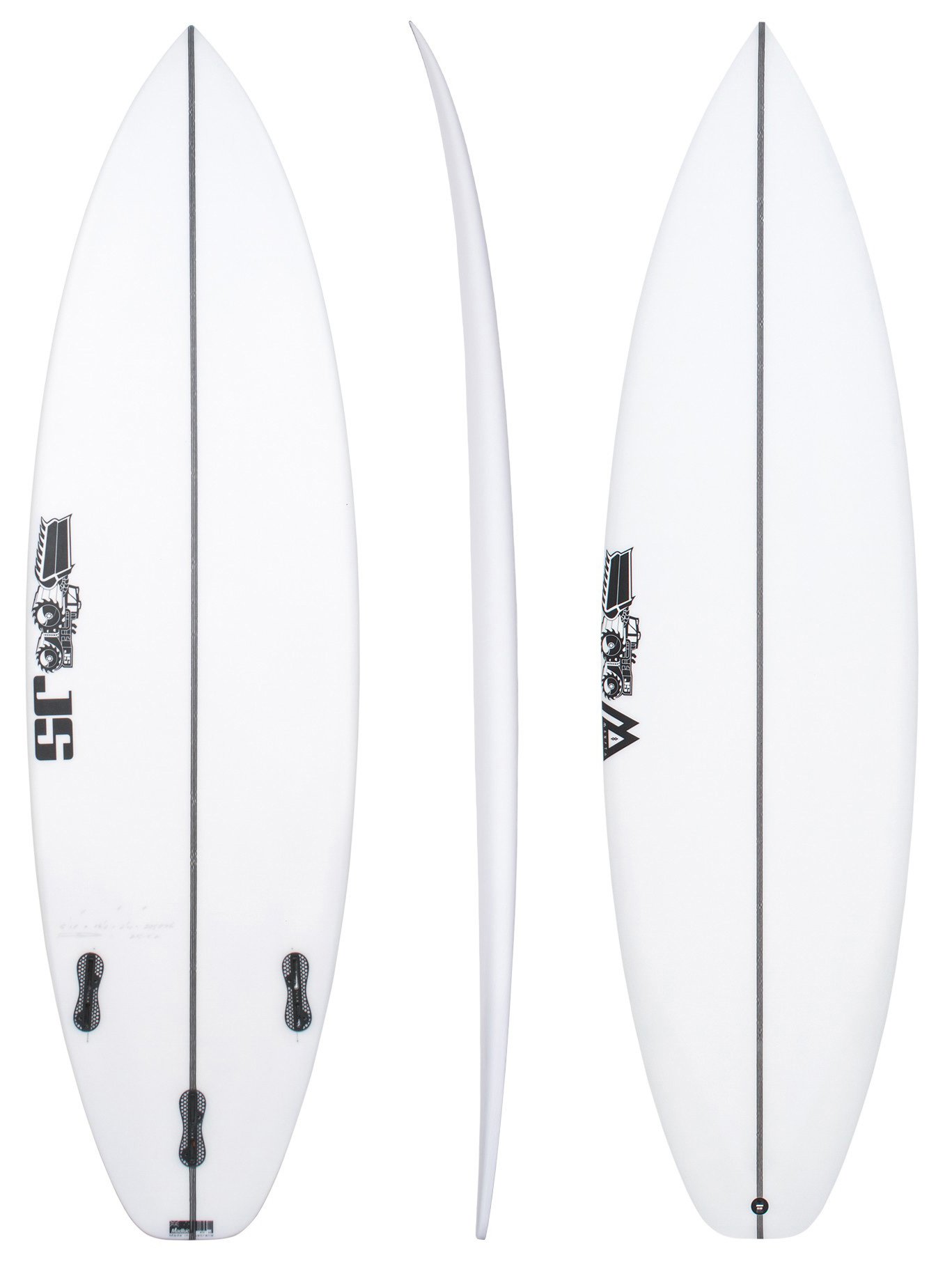
Fins come after the outline is right. They change hold and drive. They are not a separate shopping trip to rescue a board that is too small.
If you still miss waves because you cannot paddle onto them, more volume beats a narrower performance board.
Our surfboard size guide walks through litres and length against weight and wave size. Read the local report against the direction, not just the height, then pick the board that gets you to your feet on the wave that breaks.
Choosing Wetsuit Thickness for Changeable Water
A thickness chart that says one region equals one millimetre forever will leave you cold, or sweating in a suit you resent. Coastal waters around New Zealand have warmed by approximately 0.19–0.34°C per decade, about 0.74–1.35°C over the recorded period, and Stats NZ notes warming that extends below the surface. That trend does not retire the steamer. Wind, upwelling, season, session length, and how you are built still decide how cold you feel.
NIWA's summer 2025–26 seasonal outlook reported sea-surface temperatures around New Zealand generally above average, with marine-heatwave conditions early in the summer dissipating by February. NIWA defines a marine heatwave as sea-surface temperatures above the local climatological 90th percentile for at least five consecutive days. A warm week, or even a warm month, is not a reason to sell the thicker suit.
Own a system, not a single number
For a lot of North Island and East Coast surfing, a 3/2 mm steamer is the versatile core. Modern materials stretch, including in lower-priced suits, so getting into a winter-weight suit is no longer a wrestling match. A 4/3 still earns its place for long sessions and windy days. Summer can drop to a shorty or a spring suit. When the issue is sun rather than cold, a rash vest is the right layer, not another millimetre of rubber.
Add boots when your feet go numb before your core feels cold. Numb feet wreck pop-ups and make leash work clumsy. Add a hood when wind chill hits your head on a longer paddle. Gloves are the last layer, for the coldest days, not the default you buy with the suit.
Groms, beginners who sit in the water between sets, and lean surfers should start one step warmer than a regular adult on the same beach. They lose heat faster, and they are often in the water longer while they wait for the right wave.
| Conditions | Start with | Add when it still feels cold |
|---|---|---|
| Short summer session, light wind | 2 mm shorty or spring suit | Rash vest for sun, not for warmth |
| Shoulder season or windy coast | 3/2 mm steamer | Boots if feet fail first |
| Winter or long sessions | 4/3 mm steamer | Hood, boots, gloves only if hands fail |
| Unusually warm week | Keep the 3/2 as the main suit | Do not replace it for one mild month |
| Groms, beginners, low body fat | One step warmer than the adult row | Booties and a shorter session |
Keep one main steamer plus a lighter option. Chasing every temperature anomaly means a cupboard of suits and nothing that fits when the wind turns onshore at 7 am. The thickness choice, and when a 3/2 beats a 4/3, is set out in our NZ wetsuit thickness guide.
What a Gisborne Front Adds to the Bag
The East Coast road trip is sorted. Board on the roof, suit in the bag, fresh wax in the glovebox. The session delivers, and then the bit that saves the arvo turns out to be a dry layer for the gap between getting out and getting home, when the car park wind finds every wet seam.
New Year around Rhythm and Vines catches people the same way. Gisborne's reputation is hot and dry, so visitors pack singlets and jandals. A front that sits over the ocean to the east, touching almost nowhere else in the country, turns the site cold and wet overnight. Anyone who packed only for heat ends up wishing a hoodie had made the trip.
Dry spells are common in Gisborne in summer and early autumn, thunderstorms are most frequent in summer, and synoptic features east of the country can affect this coast alone. NIWA's Gisborne climate summary shows how sharply that can swing: in summer 2024–25, parts of the district recorded rainfall above normal at 120–149%, or well above normal at more than 149%, while many other areas stayed mild and dry.
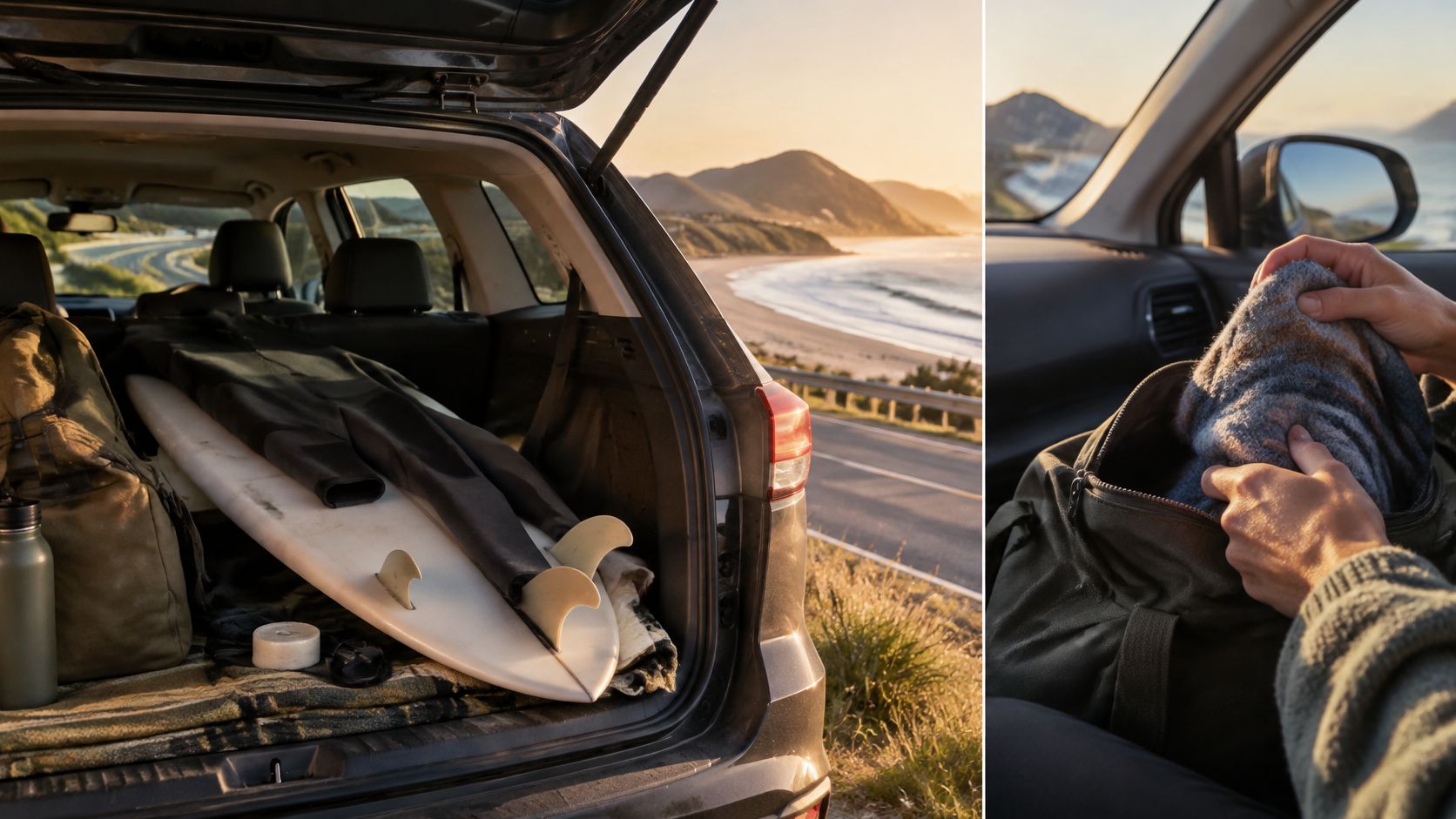
Three things in the dry bag
This is land kit. It keeps a scored session from being abandoned because everyone is soaked before they paddle out.
- Hoodie: the layer you put on while the suit is still dripping and the wind has come up.
- Waterproof shell: blocks the rain that arrives with a front, so the hoodie stays useful instead of becoming another wet towel.
- Something to stand on: a mat or an old towel in the boot so you are not changing on wet grass with the wetsuit as your only warm layer.
Pack for the hour after the surf, not only for the hour you imagined when you left home.
Cold hands and a long paddle are a different problem, and booties, hoods, and gloves for that sit in our guide to cold-water wetsuit accessories. The festival lesson is simpler. If the forecast looks summery and the event is outdoors, still throw a hoodie and a shell in the bag.
Things to check
Seasons of use. A softboard that survives the learning year beats a fragile performance board you ride twice and then fear. Count winters, not likes.
Repair. A ding kit and a replaceable leash are cheaper than replacing the whole setup after one knock. If you cannot get parts, you do not own a durable board. You own a single-season board.
Resale. Kids' gear should be easy to pass on. Durable sizes and plain colours move. A novelty print that only fits one grom for one summer does not. Adult beginners should weight fit and a bit of spare volume over the lowest ticket, because a suit that flushes or a board you cannot paddle is wasted money from week one.
The extras in the first budget. Fins, leash, wax, boots, and storage belong in the first total. They are not surprises after you have spent the board money.
Say a 3/2 steamer is $530 and you get four winters from it. That is about $133 a season. A cheaper suit that splits after one season costs its full price again the next year, plus another fitting session. Divide any ticket by the seasons you expect. That is the number to compare.
Where to buy it
We ship within New Zealand, and we ship clothing and small items to Australia. Free shipping within New Zealand starts at $165, and it excludes surfboards, paddleboards, boardbags, and bodyboards. A cart that looks under the threshold once those items are removed is a common surprise. In store, our team fits the suit and matches volume to the banks you surf.
| Decision | In a local shop | Online in NZ |
|---|---|---|
| First wetsuit fit | Try thickness and stretch on the body | Rely on a size chart and returns |
| First board volume | Match it to local banks with staff | Judge from dimensions and photos |
| Boards and boardbags | Carry them home | Often left out of free-shipping deals |
| Wax, leashes, clothing | Handy the morning of a surf | Strong once you already know the size |
Try the suit and talk through the board in person when you can. Reorder wax, leashes, and clothing online once you know the size. How freight and exclusions work is covered in our online shopping guide.
Pack the Three Essentials Then Fill the Gaps
Load three things before the weekend and stop second-guessing the rest. Take the board you can paddle. Take the steamer or spring suit that matches the coldest session you might get, not the warmest hour on the forecast. Take fresh wax or a traction pad that still grips.
Then add the land layer the East Coast keeps teaching us: a hoodie and a waterproof shell. If the board is leaving the garage, it goes in a bag. That is the weekend. Everything else can wait until you know you use it.
Blitz Surf Shop in Gisborne has carried this range since 1983. We are the second oldest established surf shop in the country, and we sell online for the rest of Aotearoa. An O'Neill Hyperfreak Bz 3/2 mm steamer is listed at $530 NZD, a straight check against that versatile core suit rather than a luxury outlier. An FCS Go-Lite 6'7 travel triple boardbag for shortboards and fishes is $420 NZD, which is the concrete version of the bag local surfers skip until the first rail crack. Across the shop you will find Firewire, O'Neill, Rip Curl, Quiksilver, Billabong, and FCS, from beginner softboards through to hardware.
Before you strap the car, look at the Wainui Beach live cam. We have run that free HD stream of the southern end of the beach since 2017. If the bank is on, the bag comes off the rack today. If it is not, you still have not bought a cupboard of gear you will not use.
Come in for a fit if you are in Gisborne or passing the East Coast. Order the small repeat items online once the sizes are settled.
Blitz Surf Shop stocks the boards, wetsuits, wax, leashes, and boardbags this coast asks for, with advice from a Gisborne shop that has been fitting riders since 1983. Bring the session you are packing for and we will match volume, thickness, and the bag you have been skipping. Visit Blitz Surf Shop in store or online and get the kit sorted before the next front.


