

A dawn southerly can make Gisborne feel like a hose pointed at your head. I've watched plenty of surfers come in with numb hands, a tight hood, and ears stinging from the first duck dive, then ask the same thing, whether ear plugs for swimming are worth it.
Why Surfers and Swimmers in NZ Wear Ear Plugs
Cold water and wind are the two things that change the conversation in New Zealand. For swimmers, the practical job is simple, keep water out of the ear canal so it doesn't sit there after the session. NZ health sources consistently frame earplugs, or a tight-fitting swimming cap, as a preventive barrier for otitis externa, not a fix after the pain has started, and Healthify NZ also notes that gentle insertion and thorough drying after swimming matter too, as do dry-ears routines more broadly. Blitz Surf Shop's winter surf guide sits in the same practical lane, because winter water demands more than casual guesswork.
Who usually needs them most
The people I see reach for plugs most often are the ones who spend real time in the water, recreational swimmers, pool lap swimmers, open-water swimmers, surfers, free divers, and kids. The reason isn't fashion, it's exposure. The more often the canal gets rinsed, the more often it stays damp, and that's exactly the setup NZ sources warn about for swimmer's ear, especially in tamariki and rangatahi who are in the water a lot.
For surfers, the equation is a bit different. You're not just dealing with water, you're dealing with cold water and wind, both of which are central to surfer's ear, and that condition is strongly tied to repeated exposure over time. In the lineup, that means a plug has to do two jobs at once, block water and still let you keep enough awareness to paddle, talk, and read the set.
The rest of this topic comes down to fit, design, and honesty about trade-offs. The plug that works in a heated lane pool won't always survive a bumpy duck dive, and the plug that saves your ears in winter may be overkill for a quick summer swim. That's why the choice matters more in NZ than in a lot of milder places.
Surfer's Ear Explained and Why Cold Water Changes the Picture
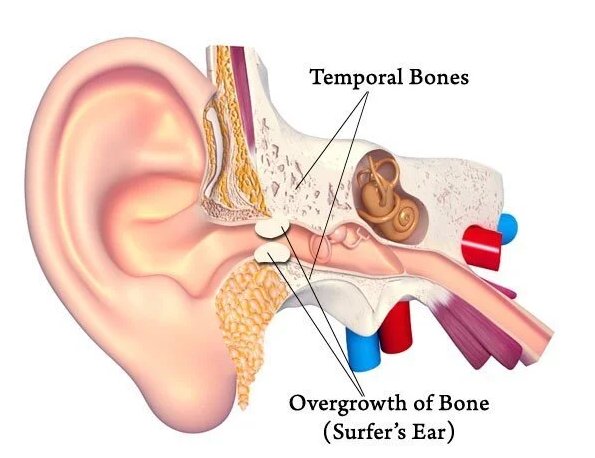
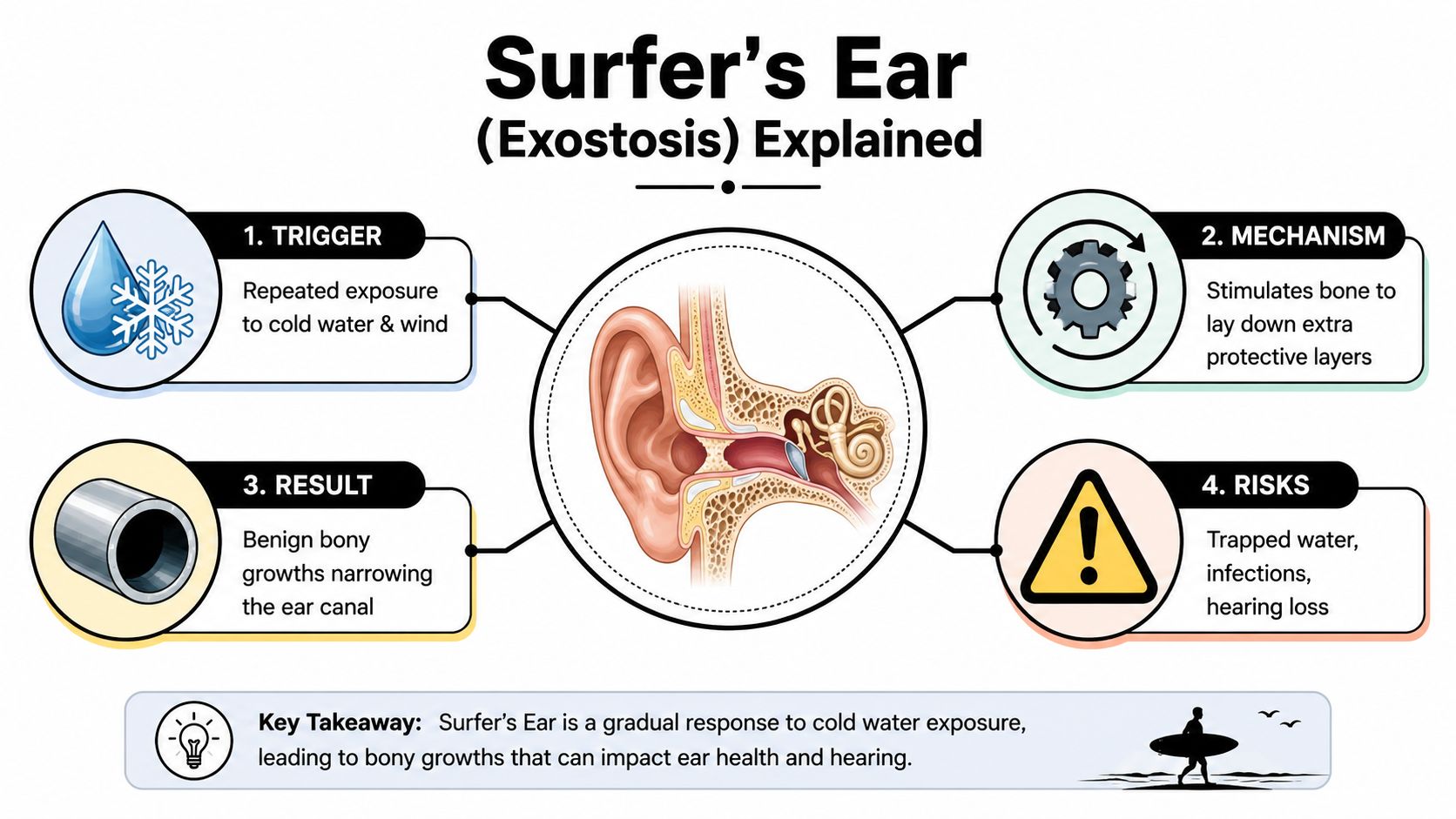
Surfer's ear is external auditory canal exostoses, often shortened to EACE or exostosis. It's not an infection, it's benign bony growth inside the ear canal that develops after repeated exposure to cold water and cold wind, as specialists explain in New Zealand. The body seems to respond to that repeated irritation by laying down more bone, slowly narrowing the canal over time, and that process is part of why NZ doctors keep pushing prevention instead of waiting for symptoms to become severe. The Hearing Institute's explanation of surfer's ear covers the cold-water and wind link clearly.
What actually happens in the canal
The narrowing isn't sudden. It's cumulative, and that's why long-term surfers often don't notice it until water starts trapping, ears feel blocked, or infections become more frequent. A New Zealand study in surfers describes exostosis as an abnormal broad-based projection of bone into the external auditory canal, which matches the way clinicians talk about canal narrowing and the water-trapping that follows. Bay Audiology's surfer's ear overview lays out the progression in plain language.
In NZ conditions, the risk picture is sharper because cold water and wind are regular features of the coastline, not rare outliers. I've always thought of that as the difference between occasional irritation and repeated mechanical stress. A warm-water holiday surf can feel very different from a winter dawn at home, and the ears know it.
What matters in practice: once the canal starts narrowing, it becomes easier for water and wax to get trapped, and that's when infections and hearing trouble tend to follow.
The medical reality of advanced cases
The condition can become progressive. When the canal is partially or fully obstructed, it can lead to infections, hearing problems, and surgery in more advanced cases. NZ ENT guidance focuses on prevention for that reason, with advice that includes limiting cold-water exposure, drying the ears, wearing a hood, and using well-fitting earplugs. One NZ ENT source also explicitly recommends ear plugs for all cold-water sports and lists custom-made ear plugs, neoprene hoods, and ear wraps as protective options.
Surgery isn't a casual workaround. Drill-out procedures mean time out of the water, and they carry risks around infection and hearing changes. That's why the earliest sensible response is usually the simplest one, keep the trigger away from the canal for as much of the session as you can.
The Three Main Types of Ear Plugs for Swimming
The three styles people buy are flanged plugs, moldable silicone putty, and custom-moulded plugs. Everything else is a variation on one of those three ideas. In shop conversations, the question is not which one is “best”, it's which one matches the water, the session length, and how much hearing you want to keep.
What each style does well
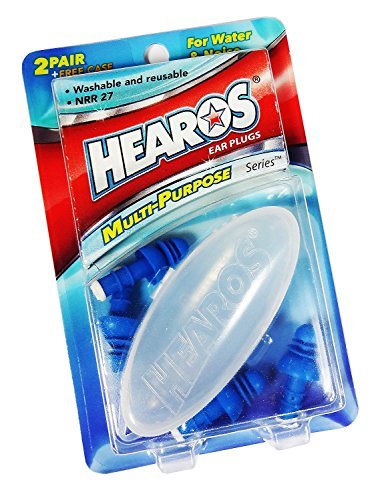
Flanged plugs, the classic Christmas tree style, are the easiest to understand. They're reusable, usually cheap, and they sit in the canal with a series of soft ribs. That makes them useful for casual swimming and training, but they can loosen when you're duck-diving, getting rolled, or wearing a hood.
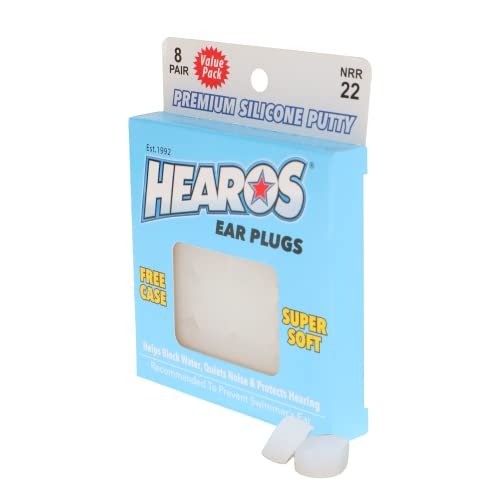
Moldable silicone putty is the outer-ear option. You press it over the opening rather than into the canal, so it feels soft and forgiving. That's handy for pool use and for kids who don't like anything sitting inside the ear, but in surf it can lose the fight pretty quickly.
Custom-moulded plugs sit at the top end. They're made from an impression of your own ear canal, so the fit is much more exact. That usually means the best combination of seal and comfort, but it also means a trip through the audiology process and more money up front.
| Type | Material & Fit | Seal in Surf | Hearing | Price (NZD) | Best For |
|---|---|---|---|---|---|
| Flanged | Soft plastic, in-canal ribs | Moderate | Muffled | Lower | Pool laps, casual swimmers |
| Moldable silicone | Putty, outer-ear seal | Low to moderate | Reduced | Lower | Short sessions, kids, relaxed pool use |
| Custom-moulded | Impression-based, canal-specific | High | Better than most | Higher | Frequent surfers, cold-water regulars |
If you want a wider hearing-protection lens beyond water sports, the noise protection for hunters page is a useful contrast. It's the same basic idea, matching the protection to the environment, not buying the hardest barrier available.
For most NZ swimmers, the decision is less about chasing a perfect seal and more about knowing what failure looks like. A plug that slips every second wave is worse than useless, because you spend the whole session fiddling instead of swimming.
The SurfEars Story and Why Design Matters
SurfEars began in Sweden after founder Christian Dittrich ran into a severe ear infection linked to cold-water surfing. That origin still shapes the product. The company says the first version launched in 2014, and SurfEars 4.0 is its latest refinement after years of iteration. SurfEars also says its NZ distributor, Hydro Surf, has handled local distribution since 2014. The SurfEars' company story makes the point clearly, this was built for a cold-water problem, not a warm-water accessory shelf.
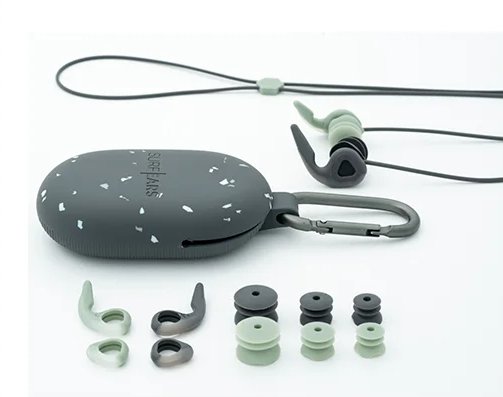
At Blitz Surf Shop in Gisborne, that backstory matters because people are not buying theory, they are buying something they hope will survive real sessions.
What the design is trying to solve
SurfEars was designed to keep water out while letting you keep enough awareness in the lineup. A lot of plugs block water but leave you cut off from your surroundings. A lot of soft outer-ear plugs feel comfortable at first, then shift when the water gets rough. SurfEars uses a leashed wing-and-core construction with an acoustic channel, so the plug can hold position and still pass some ambient sound.
That trade-off is why the design gets attention in the shop. If you can still hear a mate calling on the beach, catch the sound of a board moving beside you, or notice a set rolling through, you are less likely to rip the plugs out halfway through a session. The mesh membrane also matters, because it is part of how the brand tries to balance water exclusion with hearing.
If you want a closer look at the earlier model, the SurfEars 3.0 surfers' ear protection guide breaks down the older fit and feature set.
The practical side is simple. The plug has to stay in, keep water moving away from the canal, and avoid making the ocean feel like a closed room. Marketing language tends to flatten that trade-off. Real use does not.
The plug that works is usually the one you stop thinking about after a short while in chop.
The medical side matters too. Surfer's ear, or exostoses, is a real response to repeated cold-water exposure, and the prevention claims around plugs are stronger in marketing than they are in the Cochrane evidence. That does not make plugs useless. It does mean the design has to earn its keep in comfort, seal, and day-to-day use, not just in a brochure.
Fitting Ear Plugs the Right Way for a Solid Seal
A lot of plug complaints are just fitting mistakes. The first thing I show people is that left and right aren't always identical, and the plug has to be seated where the ear wants it, not where it looks neat in the packet. The easiest way to get the job done is to slow down for the first fitting and treat it like a five-minute setup, not a throw-it-in-and-hope moment.
A simple fit check
- Seal first: if water can sneak in during a dry fit, it'll only get worse in motion.
- Hearing second: you should notice sound reduction, not total isolation.
- Comfort last: a good fit feels snug, not pinched.
SurfEars 4.0 vs Docs Pro Plugs vs Hearos Silicone
These are the three names people ask for most in the shop, and they serve different jobs. SurfEars 4.0 is the cold-water surfer's option, Docs Pro Plugs suit people who want a simpler premoulded route, and Hearos silicone is the budget-minded choice when hearing clarity matters less than blocking water.
| Feature | SurfEars 4.0 | Docs Pro Plugs | Hearos Silicone |
|---|---|---|---|
| Fit | Leashed, canal-specific, adjustable | Premoulded, straightforward | Basic flanged silicone |
| Hearing | Designed to preserve ambient sound | More muffling | More muffling |
| Cold-water seal | Strong for surf use | Adequate for lighter use | Basic |
| Comfort | Good for long sessions | Simple and familiar | Fine for short sessions |
| Best use | Cold-water surfing, kids, frequent use | Pool swimmers, occasional users | Budget buyers, mild conditions |
I've used Docs Pro Plugs before SurfEars became the obvious fit for me, and I found them nowhere near as good for hearing, fit, or function in surf conditions. They're fine if you want something basic and you're not asking much of it, but they don't give the same lineup awareness.
SurfEars 4.0 is the plug I keep recommending to regular NZ surfers and swimmers who care about hearing almost as much as they care about keeping water out. The premium price makes sense when the earplugs stay comfortable enough that you wear them. Hearos is the more straightforward budget answer, and Blitz Surf Shop also stocks the multi-use silicone version for buyers who want a simple water barrier without acoustic complexity.
The right choice depends on your session, not your ego. If you spend time in cold, rough water and want to keep your ears working for the long haul, SurfEars makes the most sense. If you just want a cheap plug for pool or occasional use, the simpler options still have a place.
When Ear Plugs Are Worth It and When They Are Not
Where plugs earn their keep
Plugs make the most sense in cold water below 18°C, in long sessions with plenty of wind, for people with a history of ear infections, for early exostosis, and for kids who keep getting outer-ear problems. They're also more valuable when untreated water is involved, because NZ ENT guidance for people with grommets specifically advises plugs for lakes, rivers, rockpools, or deeper water. That's a much more nuanced use-case than the blanket “wear them every time” advice you see online. ENTInfo NZ is a good example of that context-specific approach.
Where other habits matter more
Plugs are less compelling for warm, flat-water pool laps, short summer surfs, or anyone who can't get a seal without fiddling every wave. If the plug is constantly leaking, it's not protecting much and it's probably annoying you more than it's helping. In those cases, drying the ears well, using the right hood, and avoiding cotton buds can matter just as much as the plug itself.
KidsHealth also notes that swimmer's ear is common in tamariki and rangatahi who spend a lot of time in water, while still pointing people toward drying the ears and, in some cases, drying ear drops rather than treating plugs as a standalone answer. That matches what I see in the shop, ear care works best as a routine, not a single purchase.
My rule of thumb: if you surf often in cold water, wear a plug. If you swim casually in warm water and never have ear issues, the simpler prevention habits may be enough.
For regular Gisborne surfers, I'd rank the choices like this. Cold-water, high-frequency users should lean toward SurfEars or a custom-moulded option. Pool swimmers and occasional users can get by with simpler plugs. If you can't tolerate any plug, commit to drying habits and keep an eye on symptoms early.
Caring for Your Plugs and Buying Tips for NZ Surfers
Rinse reusable plugs in fresh water after every session, then let them dry fully before they go back in a case. Once a week, a mild soap wash is enough for most silicone and plastic models, as long as you rinse the residue off properly. Check the flanges, leashes, and mesh for cracking or stiffness, because once those parts change shape the seal usually goes with them.
What to stop using them for
If a plug hurts on insertion, causes bleeding, brings on dizziness, triggers sudden hearing loss, or you notice discharge from the ear canal, stop using it and get the ear checked. Those aren't fitting nuisances, they're warning signs. The same goes for plugs that no longer hold their shape, because a bad seal can irritate an already sensitive canal.
Buying sensibly in NZ
For Gisborne and East Cape buyers, the easiest way to start is often an in-store fit check, especially with SurfEars, because the first setup usually saves a lot of frustration. Kids' sizing matters too, and SurfEars' smaller version is worth checking for younger ears that need the same cold-water protection without the bulk. Custom-moulded Docs Pro Plugs are a different pathway, because they need an audiologist impression before they're made.
If you're shopping online, Blitz Surf Shop can ship nationwide, which makes it practical for surfers outside Gisborne who still want a proper water-protection setup rather than guessing off a photo. That's especially useful if you already know whether you want a simple flanged plug, a premium hearing-friendly model, or a basic silicone option.
A quick checklist helps before you buy:
- What water am I in? Pool, river, reef, or winter surf all change the answer.
- Do I need to hear clearly? If yes, acoustic design matters.
- Will I use a hood? That affects fit and retention.
- Can I get a repeatable seal? If not, try a different style.
If you want to sort your ears out before the next cold-water session, call into Blitz Surf Shop, try a few fits in store, or order from Blitz Surf Shop and choose the plug that matches how you surf.


